



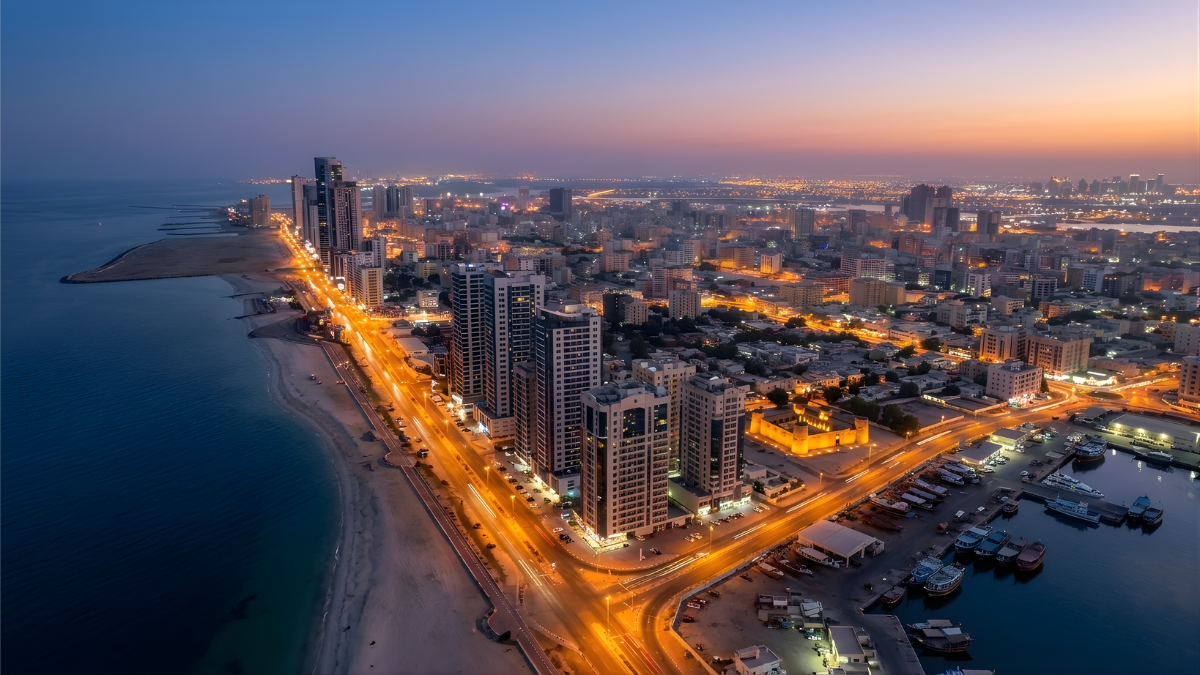
Ajman Property Laws & Ownership Guide for Expat Investors
If you’ve been watching the UAE property market, you’ve probably noticed that Dubai gets most of the attention. But a growing number of expat investors are looking north, toward Ajman, and for good reason. The Ajman property market has matured significantly over the past decade. It’s now backed by a solid legal framework, offers some of the most accessible entry prices in the UAE, and allows foreigners to own freehold property in designated zones.
Still, before you buy property in Ajman, you need to understand the rules. This guide covers everything you need to know including:
- the laws that govern ownership,
- where foreigners can buy,
- how the registration process works,
- what it all costs, and
- how buying in Ajman can even open the door to UAE residency.
Whether you’re exploring your first investment or ready to move quickly, this is the place to start.
Why More Expats Are Choosing Ajman
Let’s address the obvious question first. Why Ajman, when Dubai and Abu Dhabi exist?
The honest answer is value. Ajman property prices are significantly lower than anywhere else in the UAE, which means your money goes further. A two-bedroom apartment that costs AED 1.2 million in Dubai can often be found in Ajman for under AED 500,000. For investors chasing rental yields, that price gap matters enormously.
But affordability isn’t the only draw. The Ajman property market has also grown more investor-friendly. Freehold ownership is now available to expats in designated zones. Mortgage products have expanded to include non-resident buyers. And the UAE’s residency-by-investment programme applies in Ajman just as it does in Dubai, meaning a qualifying purchase can unlock a renewable residency visa.
Here’s how Ajman stacks up against Dubai on the factors that matter most to expat investors:
| Factor | Ajman | Dubai |
| Entry price point | Significantly lower | Higher |
| Annual property tax | None | None |
| Freehold for expats | Yes, in designated zones | Yes, most areas |
| Visa eligibility threshold | AED 750,000 and above | AED 750,000 and above |
| Rental yields | Typically higher | Moderate to high |
| Regulatory maturity | Growing | Highly established |
| Off-plan availability | Strong | Strong |
The Ajman property market isn’t trying to replicate Dubai. It has its own identity: a quieter lifestyle, shorter commutes from Sharjah, a growing number of freehold villa and apartment communities, and a cost base that makes buy-to-let investment genuinely viable for a much wider pool of buyers.
The Laws That Govern Property Ownership in Ajman
Understanding the legal framework is not optional. It’s the foundation of every smart property decision you’ll make here.
Amiri Decrees No. 7 and 8 of 2008
Before 2008, foreigners couldn’t own property in Ajman at all. Everything changed when Sheikh Humaid Bin Rashid Al Nuaimi issued two landmark Amiri Decrees, No. 7 and No. 8 of 2008. These decrees established the legal basis for a regulated real estate sector and introduced freehold property ownership for non-UAE nationals in designated areas.
Under this framework:
- UAE and GCC nationals can own freehold property anywhere in Ajman
- Non-GCC foreign nationals can own freehold property in specifically designated zones
- All ownership must be registered with the relevant land authority to be legally valid
These decrees didn’t just open the door for expat investors. They created the entire architecture of property rights that Ajman operates on today.
Here’s the rewritten section, under 150 words and factually updated:
Property Regulators in Ajman: ADLRER and Aqaar
Two entities shape how property transactions work in Ajman, and they serve very different purposes.
ADLRER (Ajman Department of Land and Real Estate Regulation) is the sole regulatory authority. Established to consolidate the former Land Department and the Ajman Real Estate Regulatory Agency (ARRA) into one body, it now handles everything: property registration, title deed issuance, land valuation, broker and developer licensing, escrow account oversight, and dispute resolution. When you buy property in Ajman, every official step runs through ADLRER.
Aqaar (Ajman Properties Corporation) is not a regulator. It’s a government-backed developer that builds and manages major residential and commercial projects, including Mawjan Residence and Ajman Corniche developments. If you’re buying within an Aqaar project, you’ll coordinate the initial sales process through their offices, while ADLRER still handles all legal registration.
Changes to Ajman’s New Real Estate Laws in 2025
Three significant laws came into effect in 2025. Here’s what each one means for expat investors.
Emiri Decree No. 9 of 2025: Service fees and fines Standardises how service charges are collected in communal developments and sets clear penalties for owners who fall behind on payments. Fewer grey areas, more accountability.
Real Estate Contribution Law: Off-plan buyer protection Any developer accepting investment contributions must now:
- Register the project in the official Real Estate Contribution Register
- Hold all buyer funds in an escrow account at a licensed financial institution
- Meet verified construction milestones before accessing those funds
This is the most important of the three updates for off-plan buyers. Your money can’t be touched until the project earns it.
Law No. 1 of 2025: Long-term investor framework Establishes clearer legal ground around ownership rights, transfer procedures, and dispute resolution. Designed to attract investors planning to hold property for the long term.
Freehold vs. Leasehold: What Can You Actually Buy?
Not all property ownership is equal. In Ajman, as in the rest of the UAE, there are two main forms of ownership available to buyers: freehold and leasehold. The difference between them has a direct impact on your rights, your ability to get a visa, your mortgage eligibility, and your long-term investment strategy.
Freehold Ownership
Freehold ownership in Ajman is the stronger form of ownership. It means you own both the property and the land it sits on, permanently, with full legal title.
As a freehold owner in Ajman, you have the right to:
- Sell the property at any time, to any eligible buyer
- Lease the property and collect rental income
- Modify the property, subject to applicable permits
- Transfer ownership to your heirs, either through a will or under applicable inheritance law
- Use the property as collateral for a mortgage with UAE-licensed banks
- Apply for a UAE residency visa if your property meets the value threshold
Electronic title deeds issued by the Ajman Land Department are accepted by all UAE financial institutions. They can be used to secure mortgages, apply for visas, and establish inheritance rights. This is the gold standard of property ownership in the UAE, and it’s available to expats in Ajman’s designated freehold zones.
Leasehold Ownership
Leasehold gives you the right to occupy and use a property for a fixed period, typically between 25 and 99 years, without owning the underlying land. At the end of the lease term, ownership reverts to the landowner unless the lease is renewed.
Leasehold is generally less attractive to investors because:
- You can’t use a leasehold property to apply for a UAE residency visa
- Mortgage eligibility is limited, and many banks won’t lend against leasehold titles
- You can’t transfer the property to heirs in the same way as freehold
- Selling is more complicated, especially as the remaining lease term shortens
That said, a leasehold can still make sense in some circumstances. If you’re looking for lower acquisition costs on a property you plan to occupy for a specific period, or if the leasehold property is in a location that doesn’t offer freehold, it may be a viable option. Just go in with clear eyes about what you’re giving up.
Freehold vs Leasehold: Side-by-Side Comparison
| Feature | Freehold | Leasehold |
| Land ownership | Yes | No |
| Duration | Permanent | Fixed term (25-99 years) |
| Right to sell | Yes, unrestricted | Limited |
| Inheritance rights | Yes | Subject to lease terms |
| Visa eligibility | Yes, if value threshold met | No |
| Mortgage eligibility | Yes | Rarely |
| Service charge obligations | Yes | Usually yes |
Where Can Expats Buy? Ajman’s Designated Freehold Zones
Expat buyers can’t purchase freehold property just anywhere in Ajman. Ownership rights for non-GCC nationals are restricted to specific designated zones. Outside those zones, you can lease but not own.
The main designated freehold areas for foreign buyers in Ajman include:
Al Nuaimiya
Al Nuaimiya is one of Ajman’s most established residential areas, close to the commercial centre. It offers a mix of apartments and older villas, with strong tenant demand from working professionals and families.
Al Rashidiya
Al Rashidiya is a mid-range residential zone with good infrastructure and proximity to Ajman’s main shopping and transport links. It’s popular with budget-conscious buyers and families relocating from Dubai or Sharjah.
Al Amerah
Al Amerah is a newer, more spacious community development with modern villa and townhouse projects. It’s one of the faster-growing zones in terms of new supply.
Al Zahya
Al Zahya has emerged as one of the most sought-after freehold addresses in Ajman. Al Zahya villas attract serious buyers, particularly Indian, Pakistani, British, and GCC nationals looking for suburban family homes with modern amenities.
Al Zorah
Al Zorah is Ajman’s premium waterfront development. Al Zorah villas sit within a nature reserve alongside an 18-hole golf course and a private beach. Al Zorah villas in Ajman carry some of the highest price points in the emirate, but rental yields and capital appreciation potential are also at the top of the market. Flamingo Villas Ajman, located within Al Zorah, are among the most recognised freehold villa products in the emirate.
Al Jurf
Al Jurf is a community with a mix of villas and townhouses, popular with families and investors looking for relatively larger plot sizes at competitive prices. Al Jurf Ajman villas have consistent rental demand from working families.
Emirates City
Emirates City is a large-scale master-planned apartment development in Ajman, offering high-rise living at accessible price points. It has a distinct expat community feel and strong demand from renters looking for affordable accommodation close to Sharjah.
Ajman Uptown
Ajman Uptown is a villa and townhouse community with a more suburban character. Ajman Uptown villas offer spacious layouts and family-friendly environments, and the community has become increasingly popular with buyers from South Asia and the UK.
Al Yasmeen
Al Yasmeen is a villa-centric zone that draws buyers looking for quieter, lower-density living. Al Yasmeen Ajman properties are marketed under a solid legal framework and have attracted interest from European and Asian expats.
Practical tip: Before signing anything, verify the zone’s freehold designation directly with ADLRER or through a licensed broker using Property Finder Ajman or the official Ajman.re portal. Designations can change, and not every developer or listing agent will be upfront about the limitations.
Find hot properties in Ajman in all these areas on Keystone Properties.
How to Buy Property in Ajman: A Step-by-Step Guide
The buying process in Ajman follows a clear sequence. Knowing each step in advance prevents delays and protects your money.
Step 1: Identify your property in a designated freehold zone.
Start with your budget, your intended use (owner-occupier or buy-to-let), and your preferred zone. Use licensed platforms and registered brokers to search listings. Confirm the property sits within a designated freehold area before proceeding.
Step 2: Conduct due diligence on the developer or seller
For off-plan property in Ajman, check that the developer holds an active ARRA licence and that the project is listed on the official Ajman property registry. Confirm that an escrow account is in place. For secondary market (ready) properties, verify the title deed status directly with ADLRER.
Step 3: Sign the Memorandum of Understanding (MOU
The MOU, sometimes called the sales agreement, is the initial binding document between buyer and seller. In Ajman, the MOU format for property transfers follows a standard template approved by the land department. It outlines the price, payment schedule, handover date, and conditions of sale. Read it carefully. If you’re not fluent in Arabic, have a licensed professional review it before you sign.
Step 4: Engage a registered broker
A registered broker is not optional for many transfers in Ajman. ARRA-licensed brokers are legally authorised to facilitate transactions, handle contract documentation, and manage the FEWA and utility transfer processes. More on why this matters in our guide: [Managing Your Property: Why You Need a Registered Broker for FEWA and Contract Transfers].
Step 5: Register the sale with the Ajman Land Department
Both buyer and seller (or their authorised representatives under a power of attorney) must appear at the land department to complete the transfer. You’ll need;
- your passport,
- Emirates ID (if resident),
- the signed MOU,
- the No Objection Certificate (NOC) from the developer for off-plan units, and
- the relevant fees.
Step 6: Pay all applicable transfer and registration fees
These are settled at the time of registration. We cover the full breakdown in the next section.
Step 7: Receive your title deed
Ajman now issues electronic title deeds through the Ajman.re portal. Your e-title deed is a legally valid instrument accepted by UAE banks, immigration authorities, and courts.
The Real Cost of Buying Property in Ajman
A lot of buyers focus on the listed price and underestimate the total cost of acquisition. In Ajman, there are several fees to account for, and they add up quickly.
Registration and Transfer Fees
The Ajman Land Department charges the following at the point of registration:
- Property sale registration fee: 3% of the property’s value, with a minimum charge of AED 3,000, whichever is higher
- Title deed issuance fee: AED 350
- Land ownership fee for non-citizens (land purchases): Minimum AED 10,000, calculated based on land area and intended use
These fees are typically split between buyer and seller, though the exact split can be negotiated and should be specified in the MOU.
For a full breakdown of what Aqaar charges for registration, transfer, and related services, see our dedicated guide: [The Role of Aqaar: Registration and Transfer Fees].
Brokerage Fees
The standard broker commission in Ajman ranges from 2% to 5% of the property value. The rate depends on the type of transaction, whether it’s a primary sale from a developer or a secondary market transfer, and whether the broker is representing one or both parties.
Using a registered, ARRA-licensed broker isn’t just a legal formality in many cases. It’s your primary protection against fraud, misrepresentation, and documentation errors. The commission is well worth it.
Property Valuation
Banks and some buyers commission an independent valuation before completing a purchase. Property valuation companies in Ajman charge a separate fee for this service, typically between AED 2,500 and AED 5,000 depending on the property type and size.
Ongoing Costs After Purchase
Buying the property is one thing. Owning it is another. Budget for the following recurring costs:
- Service charges: These apply to apartments and units within managed communities. They cover the maintenance of shared facilities like lobbies, pools, gyms, and common areas. Rates vary by development.
- FEWA connection and transfer fees: The Federal Electricity and Water Authority manages utilities in Ajman. When you take possession of a property, you’ll need to transfer or establish a FEWA connection. This involves a security deposit, which varies depending on the property type. For villas, the FEWA security deposit in Ajman is typically higher than for apartments.
- Maintenance and upkeep: Routine maintenance on a villa or apartment adds up over time. Factor in air conditioning servicing, plumbing, and structural upkeep.
Complete Fee Summary
| Cost Item | Approximate Amount |
| Registration fee | 3% of value (min. AED 3,000) |
| Title deed issuance | AED 350 |
| Non-citizen land ownership fee | Min. AED 10,000 |
| Broker/agent commission | 2% to 5% of value |
| Property valuation (if required) | AED 2,500 to AED 5,000 |
| FEWA security deposit (villa) | Varies by connection type |
| Building permit (residential) | AED 3.5 per square metre |
Mortgages and Payment Plans: Financing Your Ajman Property
You don’t have to buy in cash. Several financing options are available to expat buyers in Ajman, and they’ve expanded significantly in recent years.
Mortgages for Expats
Some UAE banks now offer home loan products to both resident and non-resident salary earners in Ajman, which wasn’t common practice in the smaller emirates until recently. The mortgage eligibility framework in the UAE is regulated by the Central Bank and applies across all emirates.
Key mortgage parameters for buyers in Ajman:
- For properties valued at AED 5 million or less, you can borrow up to 80% of the property value (meaning a 20% down payment is required)
- For properties above AED 5 million, the maximum loan-to-value drops to 70%
- For a second property, the maximum loan-to-value is 65%, and this applies only to completed (ready) developments
- Off-plan properties generally cannot be mortgaged until they’re closer to completion or upon handover
To qualify for a mortgage in Ajman, most banks require:
- A minimum of six months of employment in the UAE, or at least two years of company ownership for self-employed buyers
- A verifiable income and salary transfer history
- A strong credit history with no defaults
- A valid Emirates ID (for residents) or passport with applicable visa status
Off-Plan Payment Plans: The Alternative to a Mortgage
Payment plans offered by developers are one of the most attractive features of buying off-plan property in Ajman. Many projects are structured around low or zero down payment arrangements, with the balance paid in installments linked to construction milestones or post-handover schedules.
Some Ajman developers offer property with zero down payment, spreading 100% of the cost over a multi-year payment schedule. Others structure plans with a 10% or 20% down payment followed by fixed monthly or quarterly installments.
This makes it possible to secure a property without a large upfront sum, which is one of the biggest advantages Ajman has over more expensive markets.
How Owning Property in Ajman Can Get You a UAE Visa
This is one of the most common reasons expat investors look at Ajman specifically. UAE residency through property investment is real, it’s accessible, and it applies in Ajman just as it does in Dubai.
The 2-Year Investor Visa
Buyers of properties worth AED 750,000 or more in Ajman can apply for a renewable two-year residency visa. This is part of the UAE’s broader policy of attracting long-term residents and foreign capital. The visa is renewable as long as you continue to hold the qualifying property.
The two-year investor visa allows you to:
- Live and work in the UAE (with appropriate work permits)
- Sponsor family members for residency
- Access UAE banking, driving licence, and other resident benefits
- Renew your residency without needing to leave the country
The Golden Visa Route
For investors purchasing property worth AED 2 million or more, the UAE Golden Visa is available. This is a 10-year residency visa with no renewal requirement linked to employer sponsorship. It’s one of the most significant benefits available to high-value property investors anywhere in the region.
Key points about the Golden Visa through property investment:
- The property must be completed (not off-plan, unless it reaches a certain completion value)
- Joint ownership may be eligible if the combined value meets the threshold
- Mortgaged properties may qualify, but only the equity portion above the outstanding loan counts toward the AED 2 million threshold
What Residency Through Property Doesn’t Give You
A UAE residency visa through property investment does not grant you UAE citizenship or a UAE passport. It gives you the right to live in the UAE and enjoy resident benefits, but citizenship remains a separate and much more restricted pathway. Be cautious of any listing or agent suggesting otherwise.
What Happens to Your Ajman Property After You?
Long-term investors and expats planning to stay in the UAE for decades often ask about what happens to their property if they pass away, want to gift it to a family member, or want to transfer it while living abroad.
Inheritance
Freehold property in Ajman can be transferred or inherited under either Sharia law or non-Sharia law, provided the applicable legal framework is noted in the title documents at the time of purchase. This is a major draw for European and Asian expat investors who want to ensure their property passes to their chosen heirs according to their home country’s inheritance principles.
To register your inheritance preference:
- Work with a UAE-licensed lawyer to draft a will that specifies the property and the intended beneficiary
- Register the will with either the DIFC Wills Service Centre (which covers all UAE emirates) or through a UAE notary public
- Ensure the title deed references the applicable inheritance framework
Failing to do this can result in the property being distributed under Sharia law by default, which may not reflect your wishes.
Gifting Property
You can transfer freehold property in Ajman as a gift during your lifetime. The recipient must meet the eligibility requirements for property ownership in the relevant zone. Gift transfers are processed at the Ajman Land Department and are subject to a transfer fee, though the fee structure for gifts between first-degree relatives is typically more favourable than for standard sales.
Selling Property as a Non-Resident
Selling property in Ajman as a non-resident in the UAE is legally permitted. You don’t need to be physically present in the country if you grant a registered power of attorney to an authorised representative in the UAE. That representative can then complete the sale and registration process on your behalf.
Will registration for Ajman property and power of attorney documentation are both best handled through a UAE-licensed legal professional to avoid errors that could delay or invalidate the transfer.
How Ajman Law Protects Property Buyers
Ajman has invested in buyer protections over the past decade, and the 2025 legal updates strengthen them further. Here’s what you can rely on.
Escrow Account Requirements for Off-Plan Projects
Under ARRA regulations, developers selling off-plan property in Ajman must hold all buyer payments in a registered escrow account at a licensed UAE bank. The developer cannot access these funds until verified construction milestones are reached and independently confirmed. This protects you from the single biggest risk in off-plan buying: a developer accessing your money before the project is built.
When buying property under construction in Ajman, always ask for:
- The escrow account number and the name of the licensed escrow bank
- The ARRA project registration number
- Evidence that the developer holds a current ARRA development licence
If any of these can’t be provided, walk away.
Licensed Brokers and Developer Vetting
ARRA maintains a public register of licensed developers and brokers operating in Ajman. Before engaging anyone to help you buy, check their registration status. An unlicensed broker has no legal standing if something goes wrong. Property developers in Ajman who operate outside the ARRA licensing framework cannot legally sell off-plan units.
Dispute Resolution
If a dispute arises between a buyer and a developer, seller, or landlord in Ajman, ADLRER maintains a formal dispute resolution process. This is a specialised process separate from the civil courts and is generally faster for property-specific matters.
Red Flags to Watch For
- Developers unable to provide an escrow account number or ARRA licence
- Brokers without ARRA registration credentials
- Listings showing prices well below market rates in established freehold zones
- Requests to pay deposits directly to an individual rather than into an escrow account
- Off-plan projects with no visible construction activity and no regulatory project listing
Frequently Asked Questions
Can any foreigner buy property in Ajman?
Non-GCC foreign nationals can buy freehold property in Ajman only in the designated zones specified under Amiri Decrees No. 7 and 8 of 2008. These include areas like Al Zahya, Al Nuaimiya, Al Rashidiya, Al Amerah, Al Zorah, and others. Outside designated zones, foreigners are restricted to leasehold arrangements.
Is Ajman property a good investment?
Ajman offers some of the strongest rental yields in the UAE relative to entry prices. The market has grown more regulated and transparent with the 2025 legislative updates. Infrastructure improvements, proximity to Sharjah and Dubai, and the availability of freehold ownership make it a compelling option for buy-to-let and capital growth investors. As with any property market, location selection and due diligence are critical.
What is the minimum investment for a residency visa in Ajman?
The property residency permit in Ajman requires a minimum purchase value of AED 750,000 for the two-year renewable investor visa. For the 10-year Golden Visa, the threshold is AED 2 million.
Do I need a lawyer to buy property in Ajman?
It’s not legally mandatory to hire a property lawyer for every transaction, but it’s strongly advisable, especially for first-time buyers, off-plan purchases, and any transaction involving a power of attorney, inheritance clause, or gifting arrangement. An Ajman property lawyer can review the MOU, verify the developer’s credentials, and confirm the escrow arrangement.
Can I buy off-plan property in Ajman as an expat?
Yes. Off-plan property in Ajman is available to eligible foreign buyers in designated freehold zones. You must ensure the project is ARRA-registered and that an escrow account is in place before making any payment. Off-plan projects in areas like Emirates City, Al Zahya, and Al Zorah regularly attract expat buyers.
Is there property tax in Ajman?
No. Ajman, like the rest of the UAE, does not impose an annual property tax. You will pay registration and transfer fees at the point of purchase, and you’re responsible for service charges if applicable, but there’s no recurring tax on property ownership.
Can I rent out my Ajman property if I don’t live there?
Yes. Freehold ownership gives you the right to lease your property and earn rental income. You’ll need to register the tenancy contract with Ajman municipality and ensure compliance with RERA rental regulations. If you’re managing the property from abroad, a registered property management company or broker in Ajman can handle this on your behalf.
What is the role of Aqaar in property registration?
Aqaar, formally the Ajman Properties Corporation, is a government entity that manages government-owned real estate in Ajman and plays a role in certain registration and transfer processes. If you’re registering a property that falls under Aqaar’s portfolio or engaging with related services, you’ll interact with Aqaar directly.
Can I get UAE nationality by buying property in Ajman?
No. Property investment in Ajman, or anywhere in the UAE, does not grant you UAE citizenship or a passport. It can qualify you for a renewable residency visa (two years at AED 750,000 and above) or the UAE Golden Visa (10 years at AED 2 million and above), but citizenship remains a separate and highly restricted status.
Disclaimer: This guide is for informational purposes only and does not constitute legal or financial advice. Property laws and regulations in Ajman are subject to change. Check with relevant authorities for uptodate information. Always consult a licensed UAE property professional before making investment decisions.

